
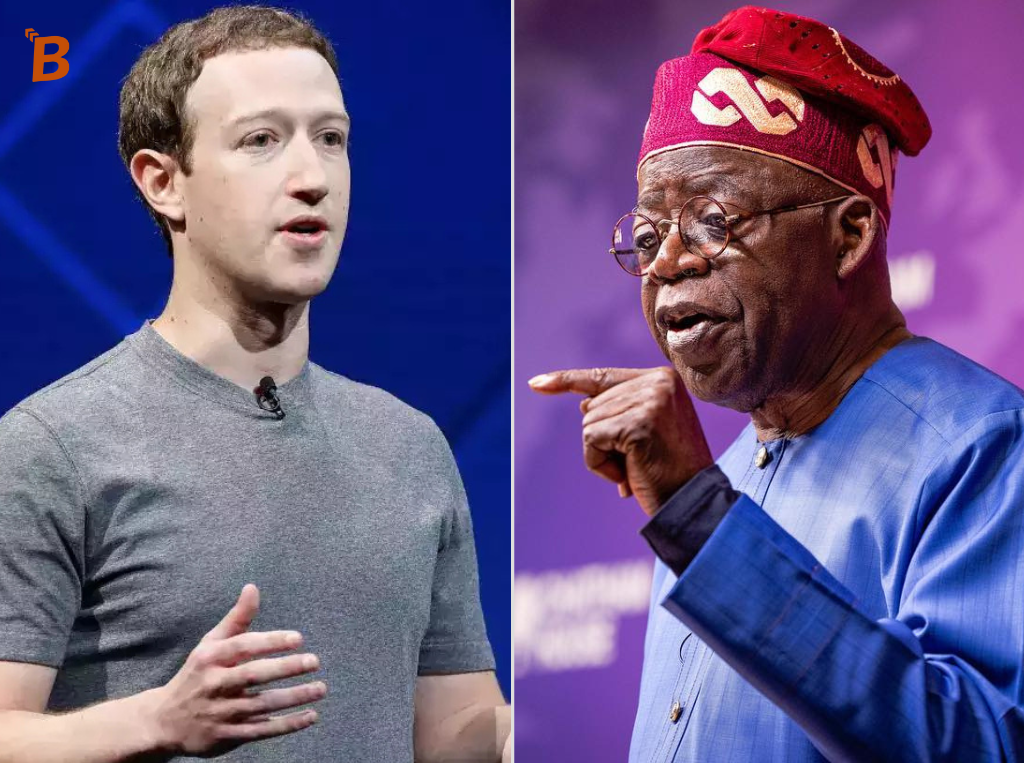
In May 2025, Meta told a Nigerian court that it might have to shut Facebook and Instagram in the country.
The warning came after the Competition and Consumer Protection Tribunal upheld a $220 million penalty imposed by the Federal Competition and Consumer Protection Commission (FCCPC), over Meta and WhatsApp’s treatment of Nigerian users.
The shutdown did not happen.
By September 2026, Meta was still operating in Nigeria, but the legal picture looked different from the one that produced the exit threat. A separate $32.8 million data-protection sanction had been settled. A court had set aside a N60 billion advertising penalty. The $220 million FCCPC case remained under appeal.
Nigeria had also opened another investigation involving Meta, this time over allegations concerning market power and the use of publishers’ content.
The story is no longer whether Nigerians are about to lose Facebook or Instagram. It is how far a country such as Nigeria can regulate a global platform whose products have become part of its communications and commercial infrastructure.
The $220 million case came first
The FCCPC imposed the $220 million penalty in July 2024 following a joint investigation with Nigeria’s data-protection regulator.
The investigation ran for 38 months.
The FCCPC said Meta and WhatsApp had breached Nigerian competition, consumer-protection and privacy rules. Its findings included allegations that Nigerian users were denied adequate control over their personal data, that information was shared without proper authorisation and that users in Nigeria were treated differently from people in some other jurisdictions.
Meta and WhatsApp challenged the order.
On April 25, 2025, the Competition and Consumer Protection Tribunal largely sided with the FCCPC. It upheld the $220 million administrative penalty and ordered Meta and WhatsApp to pay another $35,000 for the cost of the investigation.
The tribunal also upheld most of the regulator’s findings and rejected Meta’s arguments on issues including fair hearing and the FCCPC’s authority to act on consumer and privacy matters. One part of the FCCPC order was set aside because the tribunal found that it lacked sufficient legal basis.
Meta said it disagreed with the decision and would seek a stay while pursuing another appeal.
Then came the possibility of a shutdown.
Court filings reported in May showed Meta arguing that some of the regulatory demands could force it to “effectively shut down” Facebook and Instagram in Nigeria to reduce the risk of enforcement action. WhatsApp was not named in that particular passage.
The FCCPC responded publicly, accusing Meta of trying to pressure the regulator. It said leaving Nigeria would not remove the company’s liability under the order.
Neither regulator nor company backed away from its position at the time.
The $220 million penalty was only one dispute
The headlines around Meta in 2025 often combined penalties from different Nigerian regulators into a figure of roughly $290 million.
They were separate cases.
The Nigeria Data Protection Commission (NDPC), imposed a $32.8 million remedial fee on Meta in February 2025. The regulator accused the company of breaches involving behavioural advertising, consent, cross-border transfers of personal information and other data-processing practices.
Meta challenged that action in court. That case did not end with Meta leaving Nigeria or paying the original sanction.
Meta and the NDPC reached a settlement in October 2025. The Federal High Court adopted their agreement as a consent judgment on November 3.
Certified documents obtained later by Premium Times showed that the settlement removed the $32.8 million remedial fee while Meta agreed to a series of measures connected to the protection of Nigerian users’ data.
The same period produced an unlikely image of the relationship between company and regulator.
In October 2025, the NDPC announced that it had worked with Meta to translate Nigeria’s Data Protection Act into Hausa, Igbo and Yoruba.
A company that had months earlier been fighting the regulator over a multimillion-dollar sanction was now working with it on public data-protection material.
Meta also beat a N60 billion sanction
Another case went Meta’s way in June 2026.
The Advertising Regulatory Council of Nigeria (ARCON), had imposed a N60 billion sanction on Facebook Nigeria Operations Limited over advertisements it said had not received the required approval.
The Federal High Court in Lagos set the sanction aside.
Justice Yellim Bogoro ruled that ARCON had acted beyond its statutory powers and had violated the company’s right to fair hearing. The court also held that the regulator could not impose fines for alleged criminal violations without a prior conviction by a competent court or tribunal.
That ruling matters because the regulatory disputes did not produce one clean result in favour of either Meta or the Nigerian government.
Meta lost before the Competition and Consumer Protection Tribunal in the $220 million FCCPC case.
It negotiated a settlement with the NDPC.
It defeated ARCON’s N60 billion sanction in court.
As of July 2026, the FCCPC said Meta had appealed the $220 million penalty.
The record is more complicated than the original prospect of a single confrontation ending with Meta switching off its platforms.
Nigeria has now opened another front
In July 2026, President Bola Tinubu directed the FCCPC to investigate major technology companies following a petition from Nigerian media organisations.
Meta was among the companies named. Alphabet, X and some generative-AI platforms were also included.
The inquiry is examining allegations of anti-competitive conduct, unauthorised use of copyrighted journalism and whether Nigerian publishers are receiving fair commercial terms when technology companies use their material.
The FCCPC has said the investigation does not presume wrongdoing and that the companies will have an opportunity to respond.
For Meta, that takes its Nigerian regulatory exposure beyond the privacy questions at the centre of the earlier WhatsApp case. The new dispute concerns money and bargaining power between platforms and publishers.
News organisations argue that technology companies derive commercial value from journalism while publishers struggle to capture enough of that value themselves. Similar arguments have produced regulation, litigation and payment arrangements in several other markets.
Google, Meta and other platforms are between publishers and much of the audience publishers need to reach. The same companies also control advertising systems, distribution channels and, increasingly, AI products capable of processing news content at scale.
The FCCPC now has to establish whether any of those practices breach Nigerian law.