
The New Development Bank (NDB), the lender created by the BRICS group, has approved a loan of up to $1 billion to upgrade urban infrastructure across South Africa’s eight metropolitan municipalities, the bank said on June 17.
The money will fund water, sanitation, electricity and solid waste services for more than 22 million residents in Johannesburg, Cape Town, Tshwane, eThekwini, Ekurhuleni, Buffalo City, Mangaung and Nelson Mandela Bay, through the government’s Programme for Upgrade of Infrastructure in Metropolitan Municipalities.
It is the largest single loan the bank has extended to South Africa, and it complements R54 billion in performance-based grants the National Treasury announced in March, which press municipalities to ring-fence the revenue they collect from water and electricity and reinvest it. That is the news. The context is where it matters.
Why the cities needed rescuing
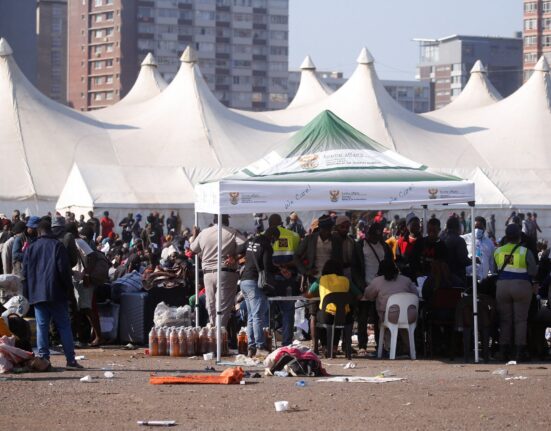
South Africa’s metros generate more than two-thirds of national economic output, yet the services that hold them together have been failing for years. Several face recurring water shortages, ageing electricity networks and wastewater systems running past their design life. The capital spending on infrastructure fell from about 30 percent of GDP in the early 1980s to roughly 15 percent by 2022. What broke the cities was not a single shock but decades of under-maintenance and municipal administrations that could not reliably bill, collect or account for revenue.
These are the same municipalities at the centre of the country’s recent anti-immigrant unrest. When South Africa’s largest labour federations warned this month that expelling foreign nationals would not “repair municipalities,” this is the repair they meant. The African immigrants are not the cause of the collapse, and the loan now arriving from Shanghai is the closest thing to an admission of where the cause actually lies.
DON’T MISS THIS: Julie Gichuru warns Africa is being recolonised: “We are going there”
From Washington to Shanghai
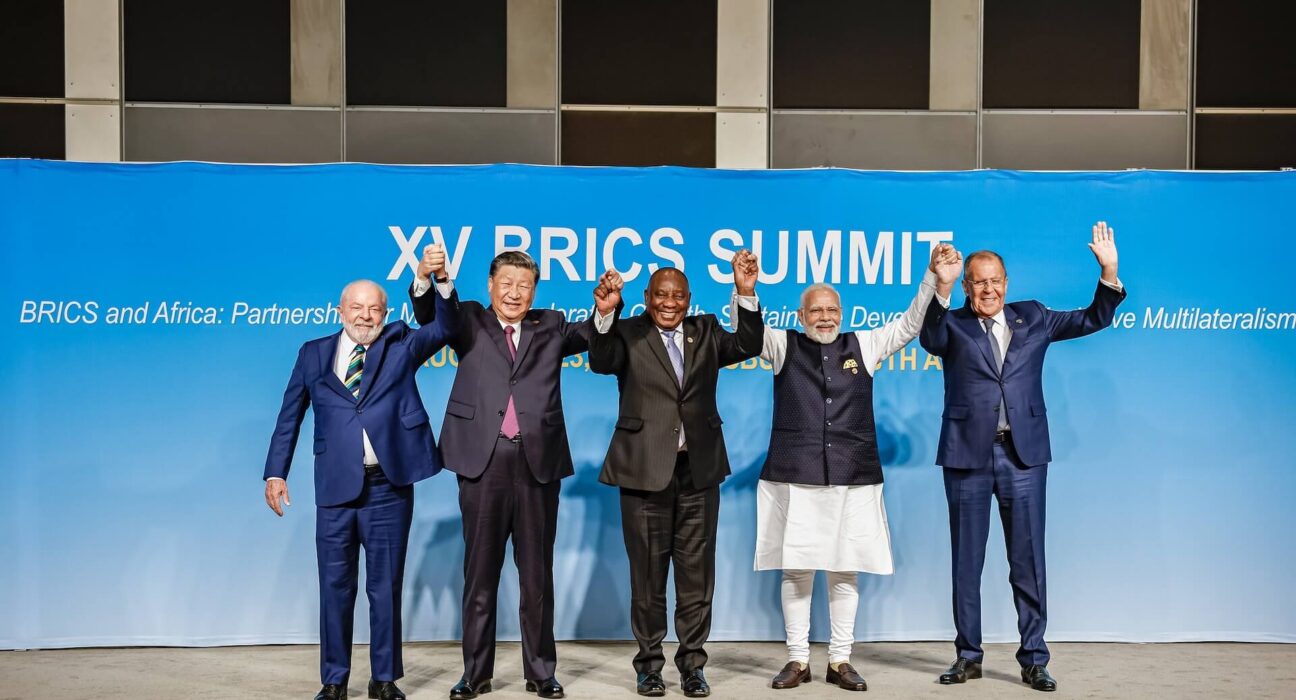
The more consequential detail is the lender. The New Development Bank was founded in 2015 by Brazil, Russia, India, China and South Africa, is headquartered in Shanghai and is led by former Brazilian president Dilma Rousseff. Its African shareholders are South Africa, Egypt and Algeria, with Ethiopia, which joined the expanded BRICS bloc in 2024, seeking to join. In South Africa it has already financed a teaching hospital in Limpopo and the Magalies bulk-water scheme.
For most of the post-1994 period, the financing of African public infrastructure ran through the Bretton Woods institutions and Western development banks. That monopoly is loosening. The NDB’s appeal is partly the money and partly the terms: it lends without the structural-adjustment conditions that made the International Monetary Fund resented across the continent. For a government wary of Western prescription, a creditor that does not attach a policy programme is an easier partner. The trade-off is that softer terms remove the external pressure that once forced governance reform alongside the cash.
A loan, not a grant
None of this changes what the financing is. It is debt, not a transfer. South Africa is borrowing in dollars to perform upkeep that rates and tariffs were meant to cover, and it will service the loan in a rand that has weakened over years. The Treasury is betting the grants and the loan together can attract as much as R100 billion in further investment and reset how cities manage what they own.
That is the optimistic reading. The harder one is that money buys assets, not the institutions that keep them standing. The Programme for Upgrade of Infrastructure exists because the metros stopped maintaining what they had; an injection of capital repairs the pipes and the grids without touching the reason they decayed.
Money can rebuild a substation. It cannot rebuild the administration that let the last one fail. That distinction, more than the size of the loan, will decide what the billion dollars actually buys.