
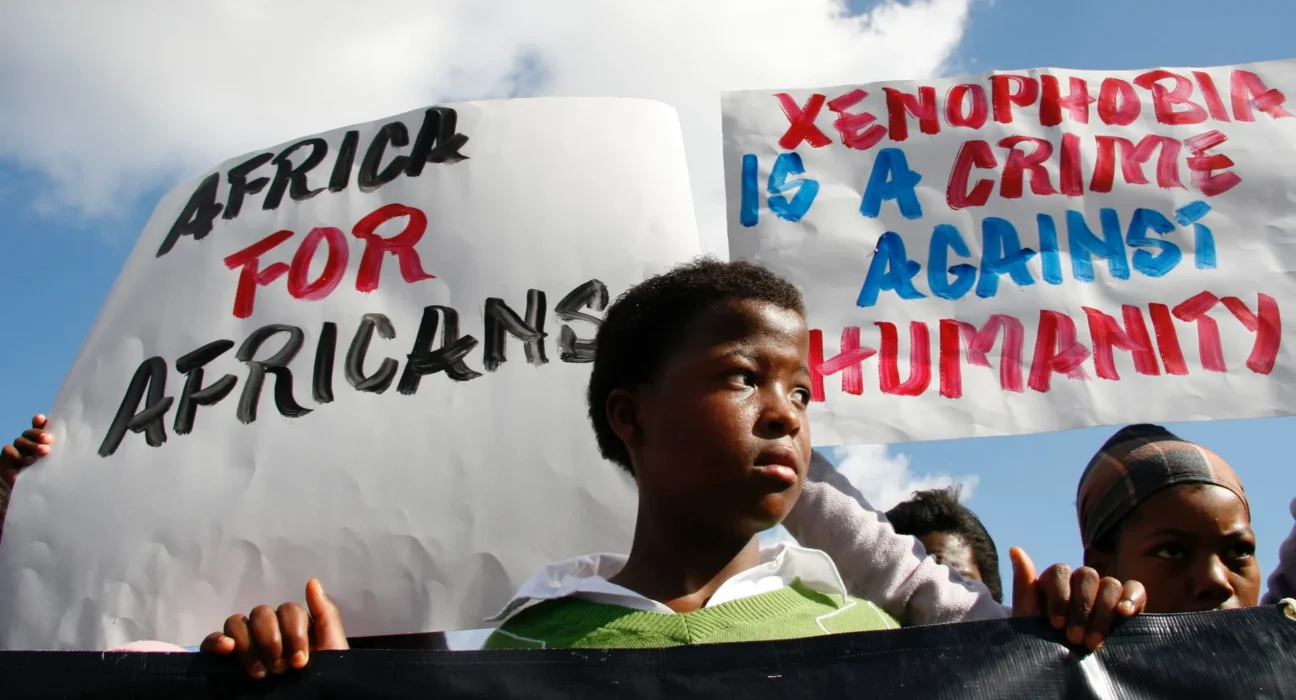
In the space of a month, South Africa has watched mobs pull suspected foreigners from market stalls, march on factories to demand their sacking, and leave migrants dead in a Mossel Bay settlement. Almost all of it has been Black South Africans turning on Black African migrants. The attacks are building toward June 30, the date anti-immigrant groups have set for every undocumented black foreigner to leave the country, and they mark the worst surge of xenophobia in South Africa since the 2008 pogroms that killed dozens.
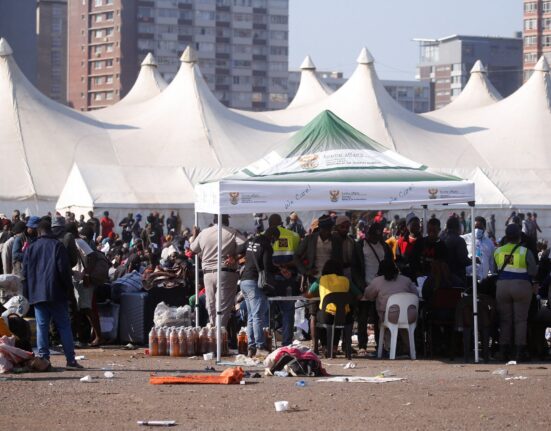
In late May, two Mozambican men were killed during anti-immigrant unrest in Mossel Bay, according to South African police; Mozambique put the toll higher. On June 8, members of March and March, the KwaZulu-Natal movement that issued the deadline, marched through the industrial towns of Ekurhuleni, going business to business and ordering owners to fire foreign workers, papers or no papers. Vendors have faced citizens’ arrests; foreign-owned shops have been forced shut. In Durban, more than 3,000 Malawians abandoned their homes for an open field.
The deadline itself was set by no government. It emanated from an AI-generated poster bearing the national coat of arms and Home Affairs branding which circulated online. Pretoria called the poster fake and insisted no such deadline exists. The denial has not slowed the panic.
On June 17, four of the country’s largest labour federations, COSATU, FEDUSA, SAFTU and NACTU, told members to report for work on June 30 or forfeit their job protection. Purging foreign nationals, they warned, “will not reopen factories, repair municipalities, strengthen public healthcare or create sustainable jobs.” Unemployment in the country is above 30 percent. The traders being chased from their stalls are not the cause. President Cyril Ramaphosa has said as much, urging South Africans not to scapegoat migrants and insisting there is “no space for xenophobia, racism … or Afrophobia.”
The country Africa kept alive
South Africa’s freedom was not won alone. Through the apartheid decades, the Frontline States, Zambia, Tanzania, Mozambique, Angola and Botswana, sheltered the African National Congress in exile and absorbed the cross-border raids of Pretoria’s army for doing so. Lusaka housed the ANC’s headquarters. Maputo and Gaborone buried activists killed by South African hit squads. The nation now expelling African migrants was kept alive, in part, by African sanctuary.
Many of those migrants crossed after 1994, drawn by the continent’s most industrialised economy and the promise that the new South Africa had room for them. Three decades on, the welcome has curdled.
DON’T MISS THIS: Julie Gichuru warns Africa is being recolonised: “We are going there”
A continental airlift
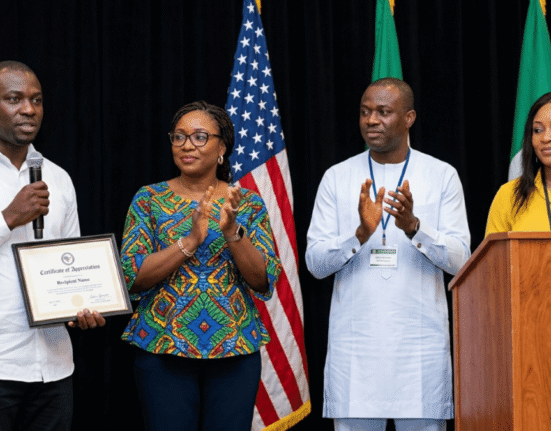
Xenophobia in South Africa is no longer a domestic story. Nigeria has flown its citizens out in batches, with more than 260 landing in Lagos on June 11, and around 1,000 registered to leave. Among them was Chukwuemeka Chris Okeke, who had spent a decade in South Africa before harassment and extortion drove him out. “There is no place like home,” he said. South Africa then declared the 268 returnees illegal residents and, by Nigerian accounts, barred them from re-entry for five years. Ghana has run the largest operation, airlifting close to a thousand nationals; Zimbabwe and Mozambique have bussed and flown out hundreds more.
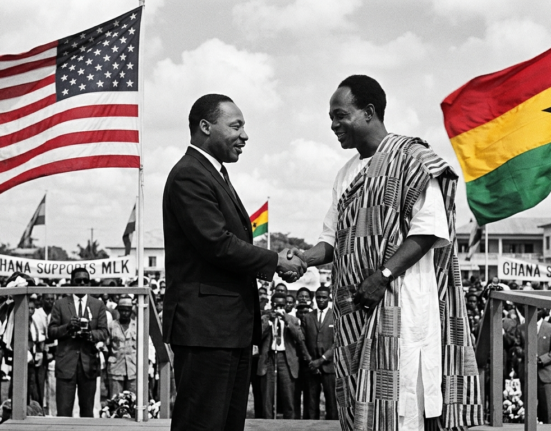
Ghana’s foreign ministry said the harassment of law-abiding Africans betrayed the principles of Pan-African solidarity. South Africa rejects the charge. Pretoria has accused some neighbours of staging “public spectacles,” even as a deputy home affairs minister floated asking migrants’ home countries to help fund the removals.