
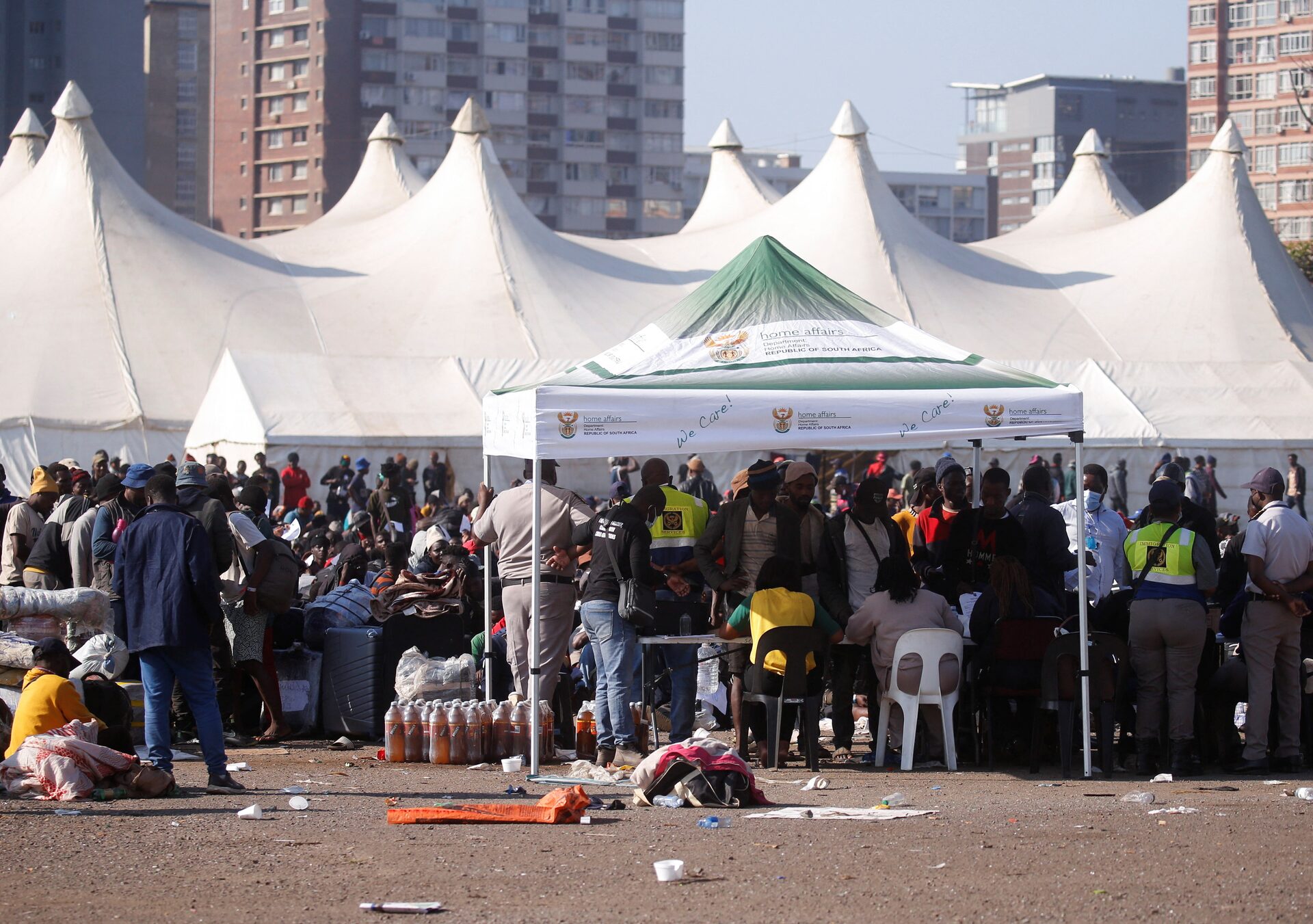
Every few years, South Africa turns on the Africans living inside it. It happened in 2008, when more than 60 people were killed and tens of thousands were driven from their homes. It happened again in 2015. And in 2019, when mobs burnt foreign-owned shops around Johannesburg. It is happening right now, in 2026, and this time, the people driving it have done something new. They set a deadline for all Africans to leave the country — June 30.
By that day, they say, every undocumented foreigner must be gone.
Thousands are not waiting to find out what happens if they stay. Across Durban, Johannesburg and Pietermaritzburg, Malawians, Ghanaians, Nigerians, and Mozambicans are packing what they can carry and boarding buses heading north, some travelling more than 2,000 kilometres to countries they left years ago, according to Daily Sabah.
The strange part is that the deadline didn’t come from the government. President Cyril Ramaphosa has gone on national television to reject it, denying that undocumented migration is the root of the country’s economic troubles and warning that some groups are exploiting it for political ends. But people are leaving in droves anyway.
So if the deadline had no state backing, why is it working? And who gains?
The deadline is the work of two protest movements: March and March, founded in 2025 by Jacinta Ngobese-Zuma, and Operation Dudula, set up in 2021. They have told undocumented migrants to “self-deport” by Tuesday and threatened a national shutdown if the government does not act. The government has disowned it. The police say they are ready to curtail it. The acting Police Minister Firoz Cachalia told reporters that “operational plans have been finalised. Resources have been mobilised.”
Officially, then, the deadline is illegitimate and the state is ready for it. What that line does not explain is why so many have already gone.
DON’T MISS THIS: South Africa gets $1 billion loan from BRICS Bank to rescue its failing cities
They’re already leaving in droves
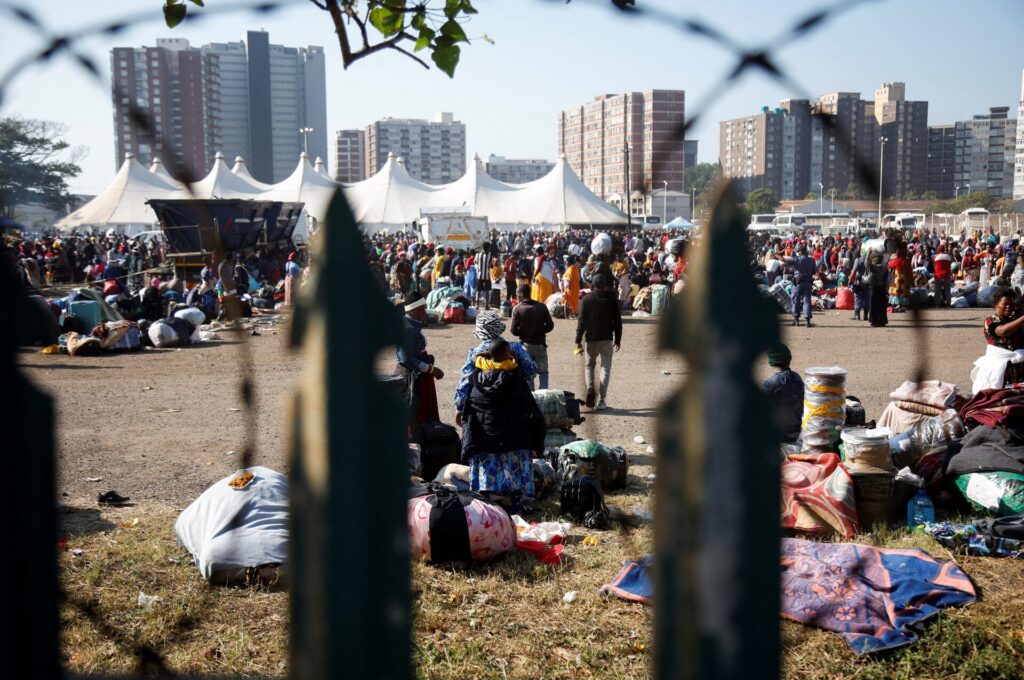
Whatever happens on Tuesday, the displacement is done. In Durban, thousands of Malawians have gathered at makeshift shelters, sleeping in tents through cold nights at sites where the sanitation has collapsed, waiting for buses home. By early June, the Border Management Authority said 663 Ghanaians had left over a single weekend and 168 Mozambicans the day after, and several governments have sent aircraft for their citizens. People have died in the attacks: Mozambique says five of its citizens were killed, and last year in Alexandra, Human Rights Watch reported, a one-year-old Malawian boy died after Operation Dudula members turned his family away from two clinics for carrying no South African ID.
The deadline did not need to be legal to work. It needed only to be believed. Mpho Makhubela of the Consortium for Refugees and Migrants in South Africa told Al Jazeera the vigilante groups “feed off the country’s frustrations over unemployment” and socioeconomic decline. The anger is real, but the direction it has been pointed is a convenient choice.
The claims against migrants don’t hold
What did South Africans accuse migrants of? They flood the country, they drive crime, they steal jobs, they drain public services. None survives the numbers.
Flooded? The national statistics office counts 3.1 million migrants, about 4% of the population, a share that has fallen over the past decade, and low by world standards, where Britain sits at 17% and Canada at 22%. The talk of hordes pouring in, says Anthony Kaziboni of the University of Johannesburg, is contradicted by the data.
Crime? Foreigners were about 6% of the prison population by the last count the justice department released, and most of those cases were immigration violations. Migrants, says Oxford migration professor Loren Landau, are “disproportionately law abiding.”
Jobs? A 2018 World Bank study found that for every migrant in work, about two jobs are created for South Africans, because migrants earn here and spend here.
Services? Undocumented migrants mostly steer clear of public hospitals and schools, where registering risks exposure. What hollowed those services out is closer to home: about R1.5 trillion, some $91 billion, was lost to corruption under Jacob Zuma alone.
Does the hate pay?
The hate pays, and the clearest currency is political. South Africa votes in local government elections on November 4, and migration is hardening into the cheapest explanation for an economy that has failed. Unemployment runs above 30%. Naming a migrant costs a politician nothing and wins applause in wards where nothing else has worked.
The parties have noticed. The Patriotic Alliance, ActionSA and Jacob Zuma’s uMkhonto we Sizwe have all taken up the same line: migrants are taking South African jobs and draining South African services. What the organisers demand shows what the fight is about. Chief among the demands is that the township economy — the spaza shops and street stalls where South Africans and foreigners compete most directly — be reserved for South Africans.
Votes are one currency. Attention is the other. The deadline has spread on a tide of inflammatory posts — machete videos, foreigners called “leeches,” the date pierced with bullet holes — because outrage pays. Sharon Ekambaram of Lawyers for Human Rights says the platforms will not stop it themselves: “It is too lucrative.” And some of the panic is manufactured outright: fact-checkers have traced AI-generated notices, stamped with South Africa’s coat of arms, falsely announcing the deadline as government policy.
The organisers insist they are peaceful, and that any violence is the state’s failure, not theirs. One activist, Nkosikhona Ndabandaba, has called on citizens to build a wall along the borders and frames June 30 as a warning, telling EWN that migrants should “fix their papers, come in the country, respect the laws.” It is a tidy story. It also arrives with buses already heading north and families already sleeping in tents.
The article ends. The conversation doesn’t. Join us on WhatsApp for exclusive stories other media shy away from. Click here.