
Nigeria wants officially recorded diaspora remittances to reach $1 billion a month by the end of 2026.
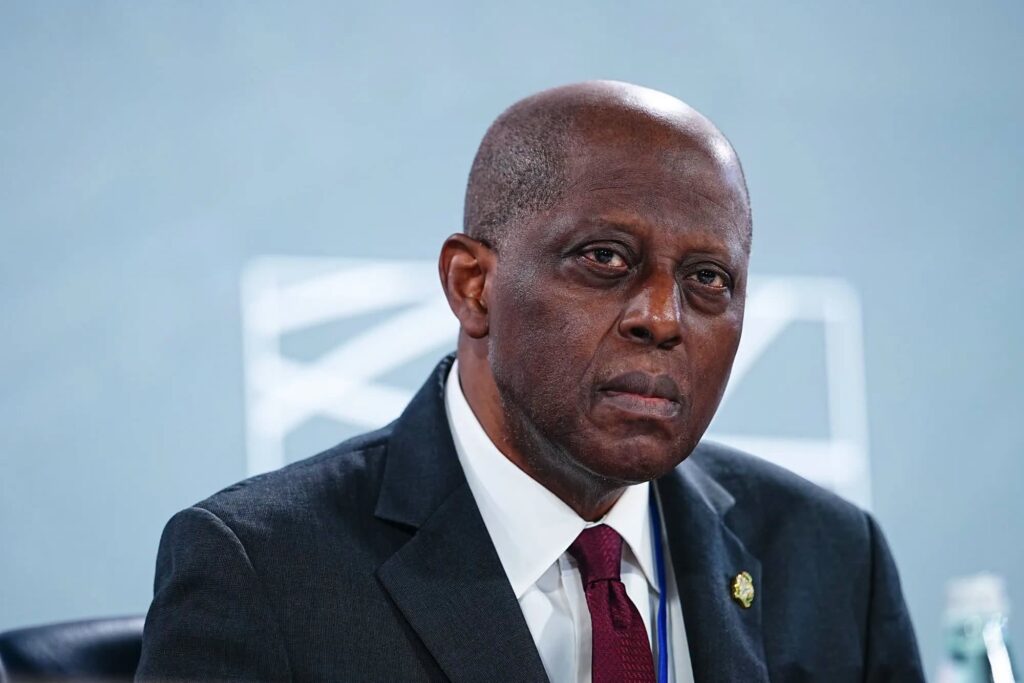
The target looks ambitious, but the Central Bank of Nigeria says monthly inflows have already risen above $600 million. Speaking at the BusinessDay CEO Forum in July, CBN governor Olayemi Cardoso attributed the increase to reforms aimed at making formal transfer channels easier to use.
“We’re continuing on that trajectory,” Cardoso said, adding that inflows could reach “about $1 billion a month” by year-end.
The CBN’s immediate interest is clear. Remittances bring foreign currency into Nigeria, support the balance of payments and provide an alternative source of dollar inflows in an economy still heavily exposed to oil earnings.
But Nigeria’s target raises a larger question for Africa: can the money sent home by its diaspora become more than a lifeline for individual families?
The scale is already considerable. The African Development Bank estimates that remittances to Africa reached $104.6 billion in 2024, accounting for 38 percent of the continent’s external financial flows. The bank describes remittances as Africa’s most important and stable external financial flow.
For context, bilateral official development assistance from members of the OECD’s Development Assistance Committee to Africa fell to $29 billion in 2025, while aid to sub-Saharan Africa declined to $24.5 billion.
The two figures cover different years, and the OECD number does not include every form of multilateral development finance. Remittances and aid also serve different purposes. Still, the gap shows how central diaspora money has become to African economies.
For millions of households, that money is already doing the work of a welfare system.
It pays school fees, medical bills, rent and food costs. It finances housebuilding, family businesses and emergency expenses. When unemployment rises or currencies lose value, relatives abroad often provide the first line of support.
The International Monetary Fund notes that poorer households commonly use remittances for basic goods, housing, education and healthcare. Better-off recipients may use part of the money to start or expand small businesses. Research also links remittances to lower poverty rates in several recipient countries.
That contribution should not be reduced to “consumption.” Paying for treatment or keeping a child in school preserves health, skills and future earning power.
But remittances also reveal the weakness of public institutions. When families abroad repeatedly pay for services that governments should provide, their money does not necessarily transform the economy. It may simply cover the cost of state failure.
Nor can remittances replace development finance.
They are private transfers sent to specific people for specific needs. A migrant paying a parent’s hospital bill cannot also be expected to finance a national power grid, a public hospital or a railway. Aid, taxation and government borrowing can fund public goods on a scale that scattered household payments cannot.
The opportunity, therefore, is not to divert family support into government projects. It is to create separate, voluntary channels through which diaspora communities can invest.
Before that can happen, African governments must address the cost of sending money home.
Sub-Saharan Africa remains the world’s most expensive region for remittance transfers. World Bank data put the average cost of sending $200 to the region at 7.73 percent in the first quarter of 2024, compared with the international target of 3 percent. Banks were the most expensive providers, charging an average of 12.66 percent across the corridors studied.
DON’T MISS THIS: Who gains when South Africa chases out Africans?
At the regional average, more than $15 can be lost from a $200 transfer before the recipient uses it. Transfer charges and foreign-exchange margins therefore consume money that could otherwise pay for food, healthcare or investment.
The formal figures may also understate how much is moving. Cash carried by travellers, transfers through unofficial currency dealers and purchases made on behalf of relatives often escape official statistics. The World Bank says fixed exchange rates and capital controls can push remittances towards unregulated channels.
That matters when interpreting Nigeria’s recent growth. The rise above $600 million a month may not consist entirely of new transfers. Some of it may be money that was already entering the country but has moved into formal channels as exchange-rate and remittance rules changed. That is an inference supported by the CBN’s explanation of its reforms, not a separately measured figure.
The larger prize lies in building a second financial relationship with the diaspora, one based on investment rather than family obligation.
Diaspora bonds could pool capital for clearly identified infrastructure projects. Regulated investment funds could direct money into housing, healthcare, manufacturing and growing companies. Banks could use reliable remittance histories when assessing customers for mortgages or business loans.
The diaspora can also contribute expertise, international networks and access to foreign markets. The value of the relationship is not limited to cash.
Yet none of these ideas will work without trust.
Diaspora investors need transparent accounts, credible project management and clear repayment terms. They also face currency depreciation, policy reversals and weak legal protection. Patriotic attachment may persuade an investor to accept a lower return. It will not make repeated losses acceptable.
Nigeria may reach its $1 billion monthly target. That would strengthen its supply of foreign exchange and bring more transactions into the regulated system.
But the amount entering the country is only one measure of success. The harder test is whether the money arrives affordably, whether migrants can invest it safely and whether public institutions use that relationship to build lasting value.